About Me
As a Computer Scientist I am actively trying to push my boundaries by thinking and involving myself in the big problems humanity currently has. The big problems I want concerned with lie mostly in the areas of AI, Quantum Computing, Software Engineering. I personally do not like to constrain myself with only one thing (field, job, ...). I like to spark my creativity my intersecting different concepts with each other from different domains and try to find innovative solutions to big problems.
AI
Exploring machine learning, deep learning, and neural networks to build intelligent systems.
Quantum Computing
Investigating quantum algorithms and their applications in optimization.
Software Engineering
Building scalable, efficient, and maintainable software systems using modern technologies.
Innovation
Constantly seeking new ways to apply cutting-edge technology to real-world problems.
Education
Academic journey in Computer Science with focus on AI, Quantum Computing & Software Engineering
Bachelor of Science in Computer Science
University of Vienna
High School Diploma
Higher Technical Education Institute Spengergasse
Research
Current and past projects in AI, quantum computing, and software engineering. As an undergraduate researcher, I am committed to making meaningful scientific contributions early in my career. Several of my projects have taken the form of research-oriented studies and initial attempts at writing scientific papers, which have given me valuable experience in structuring ideas, applying rigorous methods, and communicating results. These experiences have prepared me to engage in proper research with greater maturity and precision. Despite the challenges and limitations that come with being a student, I actively seek opportunities to push boundaries, explore ambitious ideas, and contribute to ongoing research efforts. My work reflects persistence, curiosity, and a determination to grow into a researcher with strong potential.
Quantum Harris Corner Detection Algorithm
QWorld
Corners are locations where the gray value intensity changes suddenly in two or more directions and used for describing and extracting characters, matching graphics, detecting moving objects, modeling 3D and tracking objects. Classical corner detection algorithms including FAST and Harris are computationally efficient, but their detection accuracy and repeatability are insufficient. In this study, Quantum Harris Corner Detection algorithm is realised. To load the dataset that consists of circle, rectangle, triangle and square image, two image encoding models, FRQI and QPIE, are used to compare results. Finally, in order to increase the quality of the algorithm, classical post-processing is applied to each point detected as a corner by the proposed algorithm.
Simulating Spin Dynamics using Control Theory
GGRP
The central focus of this research is the potential application of Control Theory to dynamic systems, specifically spin systems, by writing a prototype of such a system to demonstrate and give users an intuition of how such a software might look and what potential implications it can have. The primary objectives of this application are to investigate improvements in spin systems with more than three spins by applying Control Theory. This involves developing methods to better manage and optimize the dynamic behavior of these complex quantum systems. Additionally, the research aims to create an educational tool for physics students, especially those studying quantum physics. This tool will enable students to study and analyze spin systems in a virtual environment, conserving physical resources and providing a hands-on learning experience. It will allow students to experiment with and understand the intricacies of spin systems without needing extensive physical setups. By integrating Control Theory into the study of spin systems, this research aims to advance understanding and optimization of multi-spin systems and provide a valuable educational resource.
Skills & Technologies
Comprehensive technical expertise across multiple domains of computer science
Programming Languages
AI/ML Frameworks
Quantum Computing
Web Technologies
Databases & Cloud
Tools & Systems
Featured Projects
A showcase of my work in AI, quantum computing, and software engineering
Tezrisat
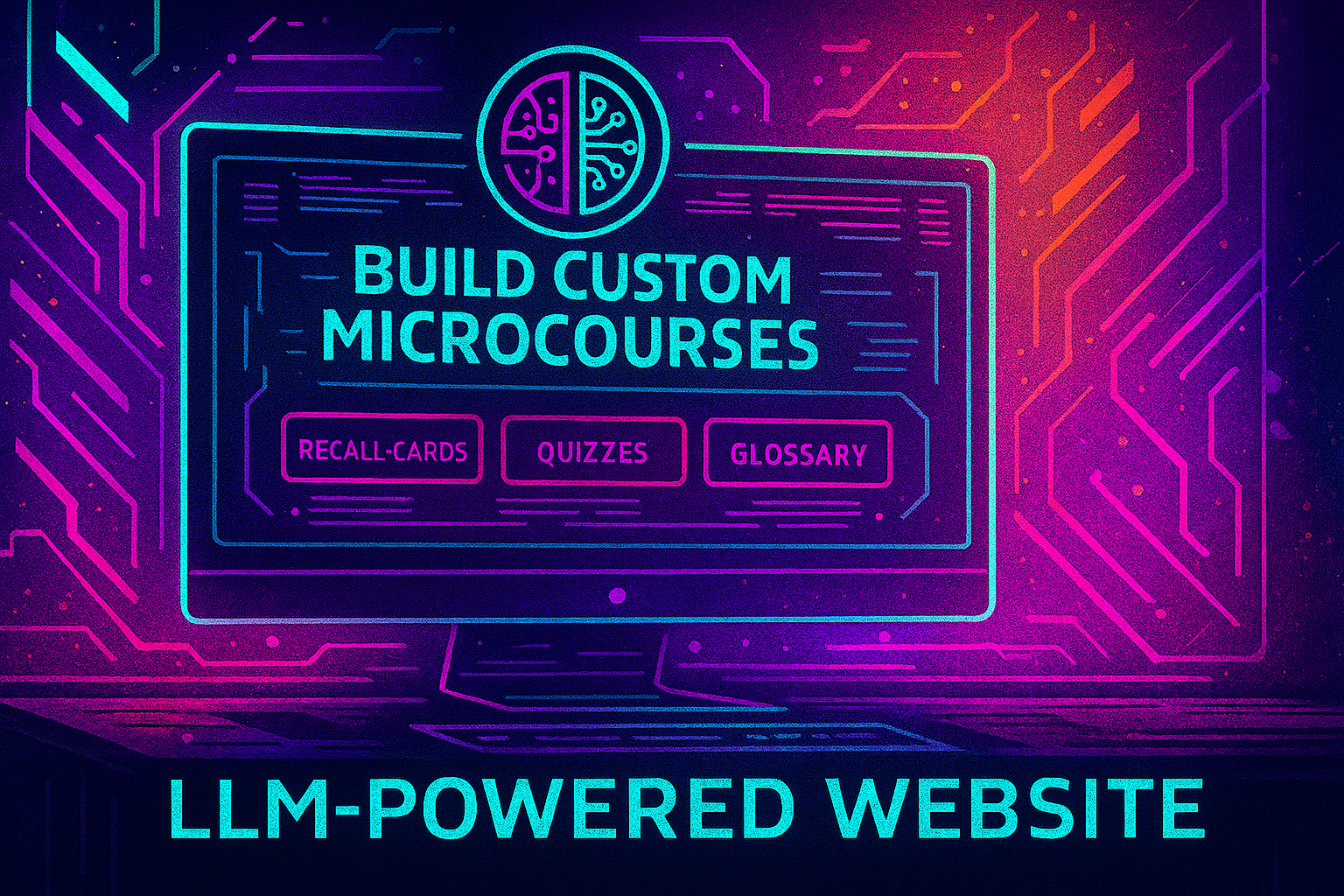
HighDeveloping a cutting-edge website powered by LLMs that provides a unique service for building custom microcourses. This platform will allow users to effortlessly design their own microcourses, tailored to their specific needs, through the advanced capabilities of LLM technology. Whether users wish to quickly refresh a topic they have previously learned or gain concise insights into a new subject, our AI will facilitate the process seamlessly. The AI will not only set up the course content according to user requirements but will also automatically generate essential learning tools such as Recall-Cards, Quizzes, and a Glossary. This comprehensive approach ensures a holistic learning experience, enabling users to maximize their understanding and retention of the subject matter efficiently. This project also embraces state-of-the-art, scientifically proven learning methods to maximize the learning experience. In summary, this LLM-powered website aims to revolutionize the way individuals generate and engage with educational content, offering a personalized, efficient, and highly effective learning solution.
AI-Powered Call Center Assistant
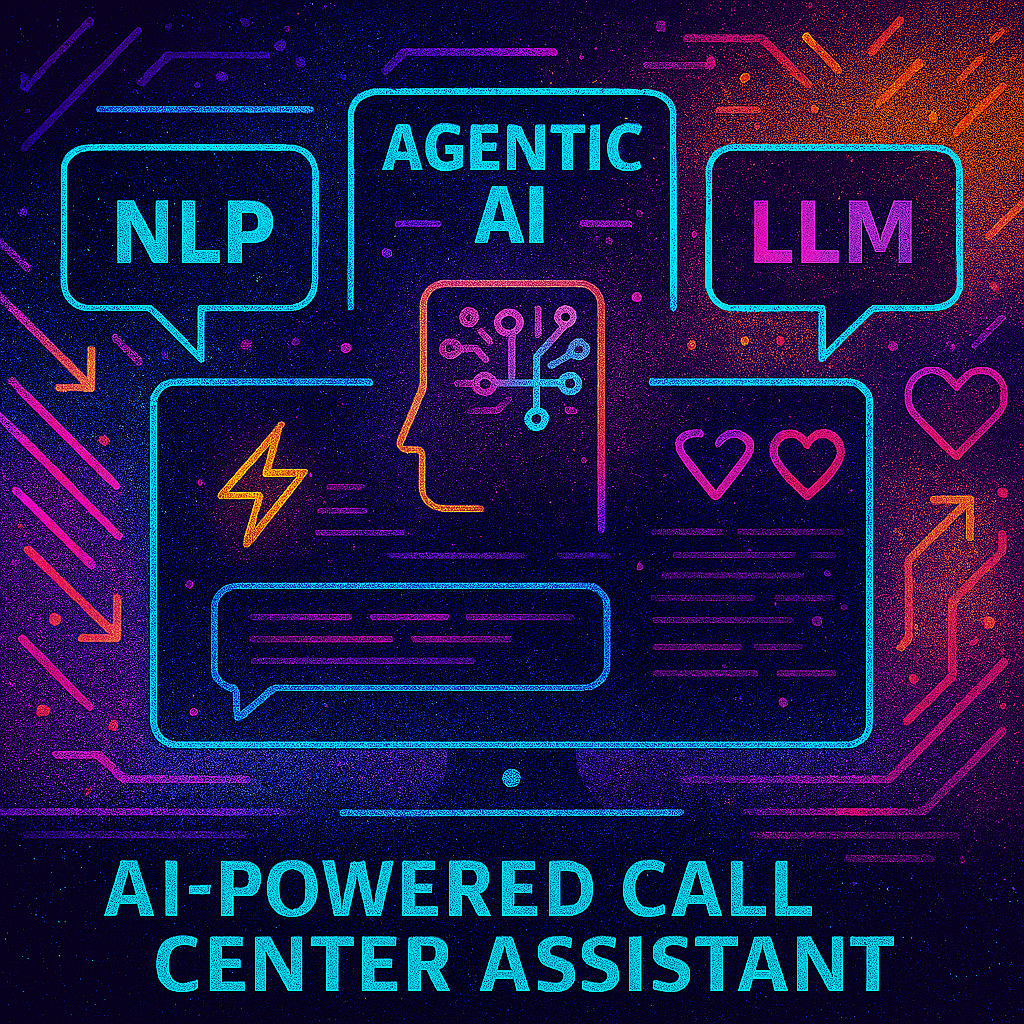
HighDeveloped a Turkish-speaking, AI-powered call center assistant leveraging advanced Natural Language Processing (NLP) techniques, Large Language Models (LLMs), and real-time intent and sentiment analysis. Integrated context-aware dialogue management and agentic AI design to deliver user-focused, responsive customer support simulations. Optimized to reduce wait times and enhance satisfaction, the system was built using Python, machine learning frameworks, and cloud-based deployment tools, and achieved a Top 20 ranking in TEKNOFEST's Turkish NLP Scenario Category.
Quantum Harris Corner Detection Algorithm
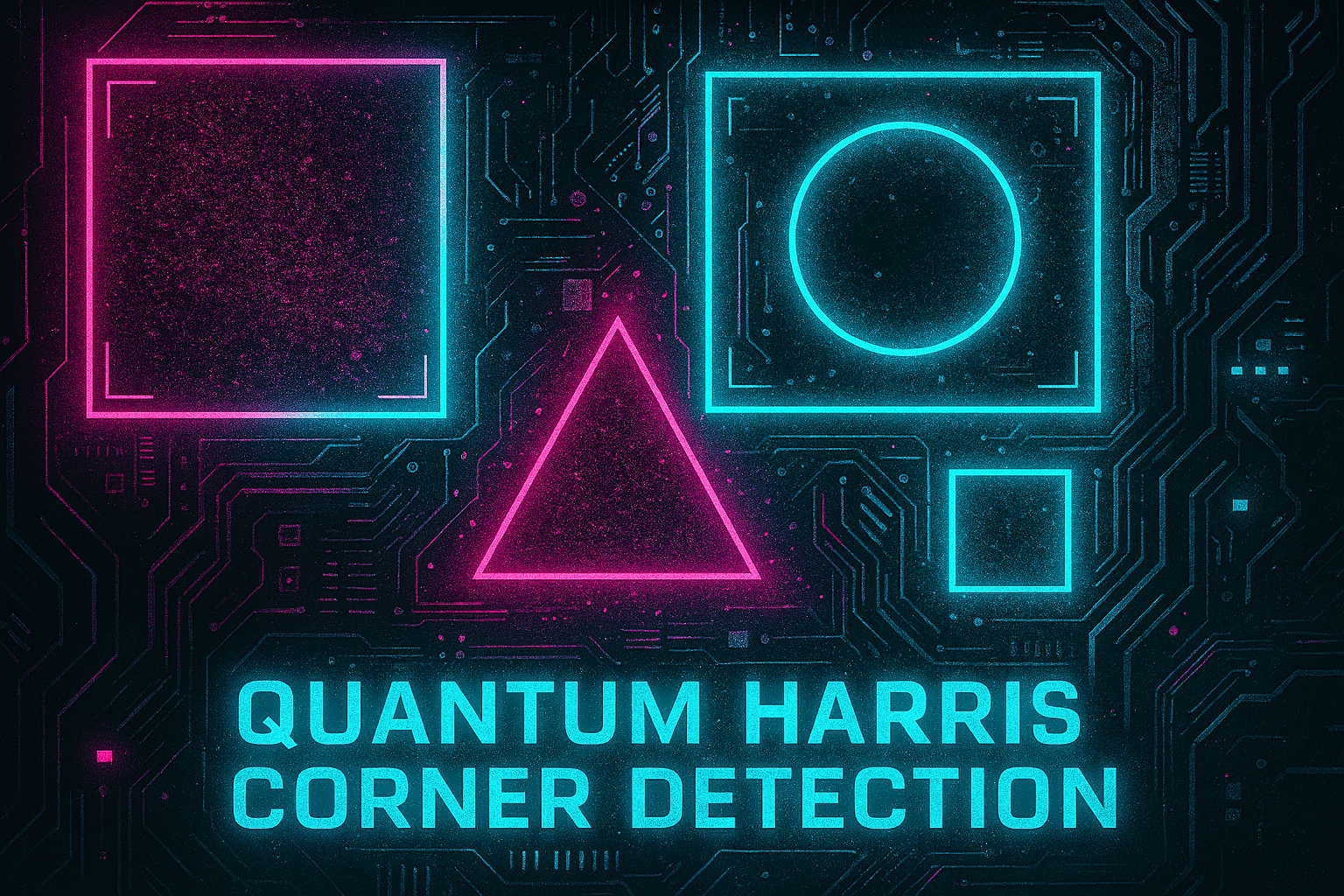
HighCorners are points where gray value intensity changes sharply in two or more directions, and they are essential for tasks like character recognition, graphic matching, motion detection, 3D modeling, and object tracking. Classical corner detection algorithms such as FAST and Harris are computationally efficient, but they often lack sufficient accuracy and repeatability. This study implements a Quantum Harris Corner Detection algorithm. To evaluate its performance, a dataset containing images of circles, rectangles, triangles, and squares is encoded using two quantum image models—FRQI and QPIE—for comparison. To further enhance the algorithm's output, classical post-processing is applied to each detected corner point.
Agentic-Based Turkish LLM
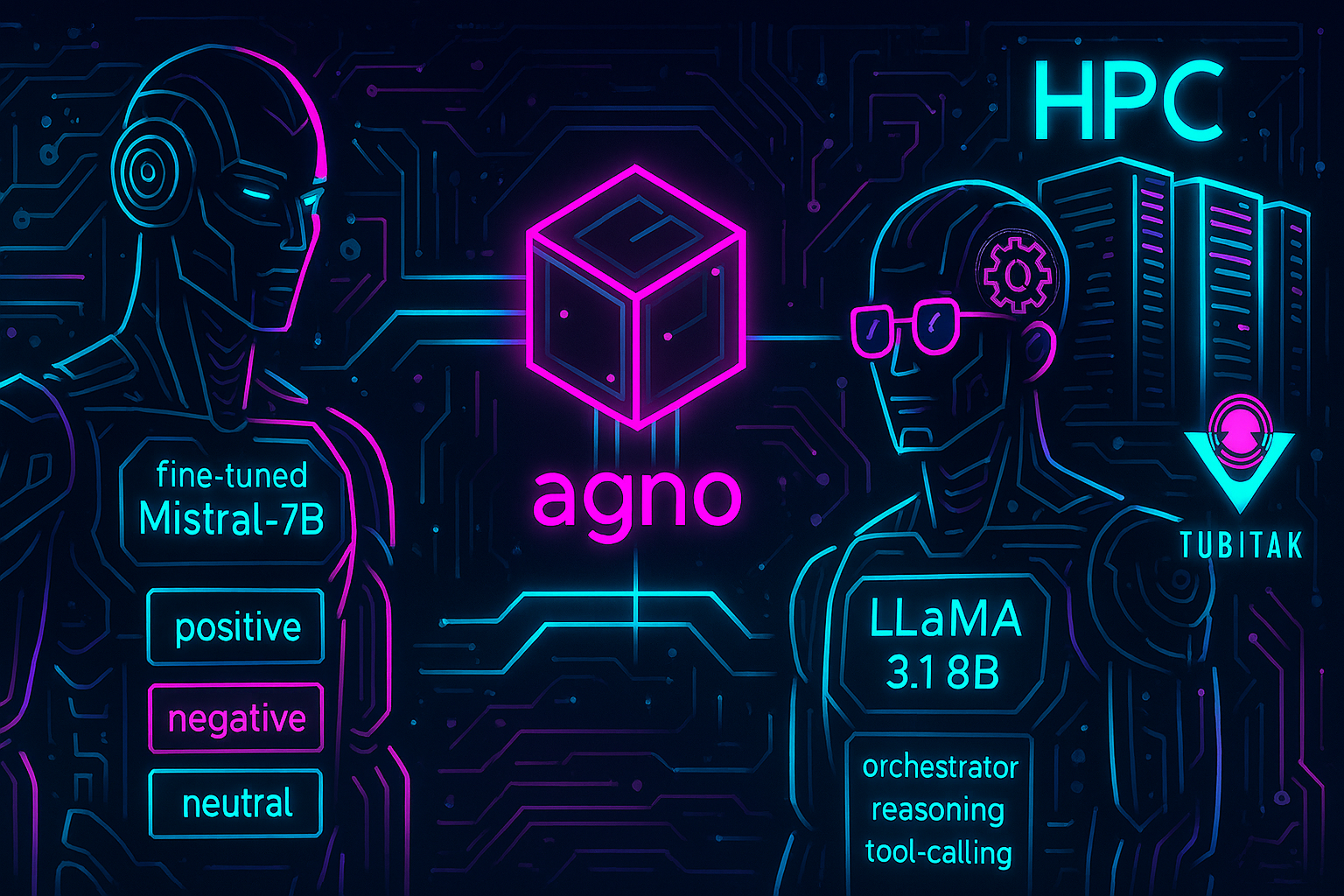
HighOur aim was to explore how agentic AI systems could be applied to public feedback and sentiment analysis in Turkish. We built a prototype where a fine-tuned Mistral-7B (mistralai/Mistral-7B-v0.1) handled sentiment classification (positive, negative, neutral), while a LLaMA 3.1 8B model acted as an orchestrator with reasoning and tool-calling abilities. The Agno framework tied everything together in an agentic setup. Training and experimentation were carried out on High-Performance Computing (HPC) resources provided by TÜBİTAK, which enabled us to fine-tune and evaluate large models efficiently.
TwinTime
MediumDeveloping a time management web application for Twinformatics aimed at enhancing user efficiency and productivity. The project involves designing and building a sophisticated platform to help users optimize their work schedules and boost individual productivity. Key features include streamlined task organization, efficient time allocation tools, and overall improvements in work-time management.
QMario
MediumDeveloped a simple quantum game within the QJam 2023/24 framework, where the user controls a Mario character in a quantum superposition state. The character is quantum simulated, and the gameplay involves navigating obstacles—if the character hits one (i.e., gets observed), its superposition collapses. The project utilized technologies such as Python, Construct 2, and Qiskit.
SnapLock
EasyDeveloped a hand gesture recognition application using Python, OpenCV, and a hand tracking module, based on a video tutorial and further enhanced independently. The project focused on gaining hands-on experience in real-time image processing and gesture recognition—key areas in computer vision. The application captures video through a webcam and uses the HandDetector module to detect and track hand movements. Core components included handling video input, implementing hand detection algorithms, and interpreting hand gestures.
Experience
Professional and research experience in technology and academia
GenAI Software Development Intern
IBM
RAG Testing Framework - Designed and developed a RAG Testing Framework, a testing framework powered by synthetically generated test data to evaluate Retrieval Augmented Generation (RAG) systems. Built an evaluation pipeline with Langfuse, WatsonX, Streamlit, Ragas, and FastAPI, enabling transparent, metric-driven insights into RAG performance. Delivered a client-facing solution that provides quantitative explanations of RAG quality across user-defined benchmarks, improving trust and adoption. Source Code Analysis Tool (ICA powered) Prototyped a source code analysis platform exploring ways to process large batches of code files such as .java and generate outputs including class diagrams and code summaries. Built an initial proof-of-concept pipeline showcasing automated visualization and summarization capabilities, laying groundwork for future full-scale implementation. Trainings in Open Source Software, Agentic AI, watsonx.ai - Tools worked with Langfuse and LangChain, Ragas and WatsonX API, Ollama and IBM Consulting Assistants, Streamlit and FastAPI - Other keywords that shaped my internship LLMs, RAGs, Datasets, Synthesizers, Query Distributions, Metrics, Knowledge Graphs, Chunking, Evaluations, Source Code Analysis
Software Development Intern
Bosch
Software Development: Migration of old tools into new tools using state-of-the-art technologies. Data Science and Cleaning: Automatizing the data correction of false and NaN entries. Determination of the new main location of users based on the usage of the tools they are using. Machine Learning: Developing a model that predicts which role users have based on the tools they are using. SMOTE as an imbalanced dataset regularizer technique was taken as a key problem solver.
Quantum Computing Research Intern
QWorld
Contributed to the development of a Quantum Harris Corner Detection approach by implementing and testing quantum image encoding methods (QPIE, FRQI) in IBM Qiskit. Focused on the image encoding stage as part of an ongoing project, gaining first research experience and building a foundation for future quantum computing projects.
Full-Stack Development Intern
Mystery Minds GmbH
Independent expansion as well as testing and documentation of new features using various technologies including PHP, Symfonie, JavaScript, StimulusJS, Twig Templates, HTML and (S)CSS, Docker, Linux, and VMware. Handled client change requests such as embedding videos and changing texts. Implemented features for the new frontend including confetti.js and writing test reports. Set up new customers and configured the platform to meet customer requirements. Created business intelligence dashboards. Conducted testing by writing reports and evaluating Cypress. Assisted with setting up new laptops.
Achievements & Competitions
Competitions I have attended and some achievements I got
MITiQuHACK 2025
MIT
2025
Participated virtually in MIT's flagship quantum hackathon, iQuHACK 2025, held from January 31 to February 2. The event brought together students and early-career professionals from around the world to explore applications and improvements of near-term quantum devices. Sponsored by leading organizations such as Alice & Bob, Classiq, IonQ, Moody's, Quantinuum, and QuEra, the hackathon provided hands-on challenges on real quantum hardware and cloud platforms. Through this experience, I gained exposure to cutting-edge tools like Qiskit and qBraid, collaborated in an interdisciplinary environment, and strengthened my ability to apply quantum computing concepts to practical problem-solving
2025 IBMer watsonx Challenge
IBM
2025
Participated in IBM’s global watsonx Challenge, gaining foundation-level competence in agentic AI through hands-on use of products such as watsonx Orchestrate and IBM Strategic Partner tools. The challenge emphasized practical application of AI to real business problems, including the use of IBM Consulting Advantage. Through this experience, I strengthened my understanding of agentic AI concepts, developed the ability to apply them in solution design, and built a foundation for contributing to future AI-driven innovation
TEKNOFEST Natural Language Processing in Turkish Scenario Category - TOP 20
Teknofest
2025
Participated in TEKNOFEST's Turkish Natural Language Processing (NLP) Competition - Scenario Category. The category focuses on developing AI-driven, context-aware solutions for autonomous call center scenarios in Turkish, encouraging innovation in real-time intent detection, sentiment analysis, and dialogue management. The competition aims to foster high-performance, user-friendly NLP systems and open-source resources that address public needs.
Testimonials
What people about my work so far
Claudia Schuster
HR Leader IBM Client Innovation Center Austria GmbH, 2025
"Dear Emre, all the best and let's stay in touch!"
Christian Böhm
General Manager bei IBM Client Innovation Center Austria GmbH, 2025
"All the best for your future."
Who is going to be the next one ?
...
"..."
Let's Connect
Interested in collaboration, research opportunities, or just want to discuss the future of AI and quantum computing? I'd love to hear from you.
equbit18@gmail.com
@emreçamkerten
GitHub
@equbitc18